


What's Actually Worth Buying From the Cleaning Aisle? A Professional Cleaner's Shopping List
At a Glance
Professional cleaners rely on a handful of versatile, high-quality tools rather than a cabinet full of specialty products:
- High-quality microfiber cloths
- A HEPA vacuum
- A neutral-pH floor cleaner
- A rubber squeegee
- Concentrated cleaners
- A durable scrub brush
- Refillable spray bottles
- A cleaning caddy
- A folding step stool
- Nitrile gloves
Buying fewer, better-quality products saves money, reduces waste, and delivers better cleaning results in the long run.
Cleaning aisles are designed to convince you that every surface in your home needs its own dedicated product. One spray for granite, another for stainless steel, a separate cleaner for glass, another for wood, plus an endless selection of disposable wipes, dusters, and specialty tools.
The reality is much simpler. Professional cleaners rarely rely on dozens of different products because they’ve learned that quality matters far more than quantity. A small collection of versatile tools can clean almost every room in the house just as effectively, and often much better.
Before you fill your cart with products that promise miracle results, here’s what cleaning professionals actually think is worth buying.
Products Worth Buying vs. Products You Can Usually Skip
| Worth Investing In | Usually Safe to Skip |
|---|---|
| High-quality microfiber cloths | Cheap multi-pack microfiber cloths |
| HEPA vacuum | Disposable dusters |
| Neutral-pH floor cleaner | A different cleaner for every surface |
| Rubber squeegee | Disposable glass wipes |
| Concentrated cleaners | Pre-mixed specialty sprays |
| Durable scrub brush | Cheap sponges that fall apart |
| Refillable spray bottles | Single-use spray bottles |
| Extendable microfiber duster | Feather dusters |
The common theme? Professional cleaners spend money on tools they’ll use hundreds of times, not products they’ll throw away after a few uses.
Why Professional Cleaners Buy Fewer Products
One of the biggest misconceptions about professional cleaning is that it requires dozens of different chemicals and gadgets.
In reality, experienced cleaners often carry surprisingly small cleaning kits. That’s because they’re choosing products based on performance, versatility, and durability, not marketing claims.
A good microfiber cloth can clean everything from mirrors and countertops to stainless steel and electronics. A neutral-pH cleaner can safely tackle multiple floor types. A quality vacuum removes dust from carpets, upholstery, and hard floors.
Instead of buying a different product for every job, professionals invest in products that perform well across many jobs.
That approach saves money, reduces clutter, and often delivers better cleaning results.
Professional cleaners focus on removing soil first because even the best disinfectant can’t work effectively if dirt and grime are still covering the surface.
It’s also important to remember that cleaning and disinfecting aren’t the same thing. In most situations, physically removing dirt, grease, and debris is the first and most important step. According to the Centers for Disease Control and Prevention (CDC), cleaning removes contaminants from surfaces, while disinfecting kills remaining germs. In many everyday situations, cleaning thoroughly is all that’s needed, with disinfecting reserved for higher-risk surfaces or when someone in the home is sick.
1. High-Quality Microfiber Cloths

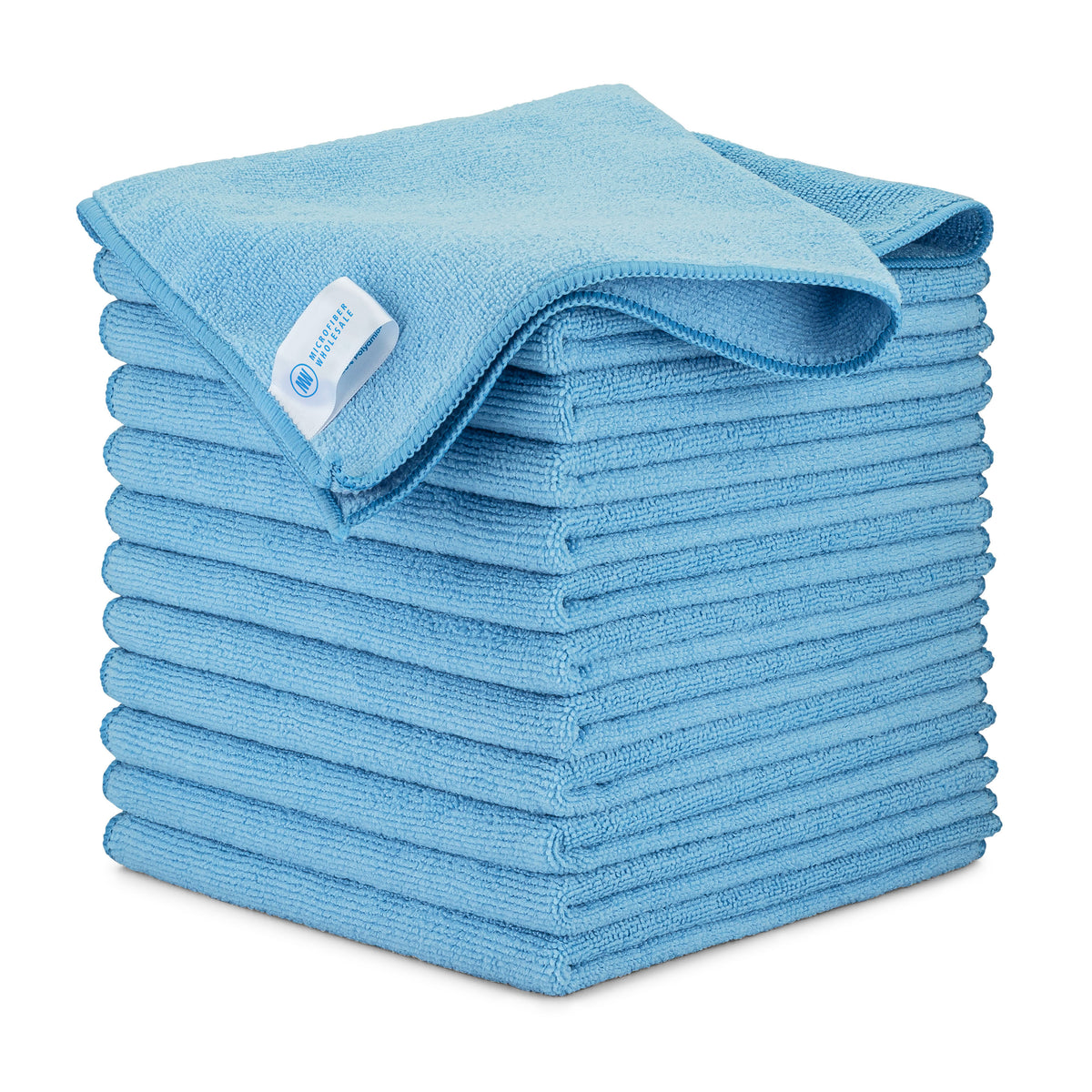
If there’s one product nearly every professional cleaner agrees is worth the investment, it’s quality microfiber.
Unfortunately, not all microfiber is created equal.
Many inexpensive microfiber cloths are designed to meet a low price point, which often means compromises in fabric weight, construction, or durability. While they may work well for occasional cleaning, higher-quality microfiber is generally designed to withstand far more wash cycles while maintaining its cleaning performance.
Professional-grade microfiber is manufactured differently. Higher-quality fibers, better stitching, stronger construction, and consistent manufacturing standards all contribute to a cloth that continues performing wash after wash.
Does GSM Matter?
One specification you’ll often see is GSM, or grams per square meter. GSM measures the density of the fabric.
In general:
| GSM | Best For |
|---|---|
| 180–220 | Economy cloths, light dusting |
| 250–300 | Everyday cleaning |
| 300–350 | Kitchens, bathrooms, all-purpose cleaning |
| 400+ | Drying, polishing, automotive detailing |
However, GSM is only part of the story.
A higher GSM doesn’t automatically mean a better cloth. Fiber quality, the polyester/polyamide blend, the way the fibers are split, and overall construction all have a significant impact on performance.
Think of GSM like thread count in bed sheets, it’s useful information, but it doesn’t tell you everything.
Signs You’re Using Low-Quality Microfiber
- Stops absorbing water after a few washes
- Leaves lint behind
- Edges begin unraveling
- Feels rough instead of soft
- Pushes dirt around instead of lifting it
- Requires more cleaning solution to get the same results
Although professional microfiber usually costs more upfront, it often costs less over time because it lasts significantly longer.
2. A Good HEPA Vacuum

Dusting only removes what’s settled on surfaces. The rest continues circulating through your home.
A vacuum equipped with a HEPA filter captures extremely small particles instead of simply blowing them back into the air.
That’s especially valuable if your household includes:
- Pets
- Allergy sufferers
- Young children
- High foot traffic
Professional cleaners view a quality vacuum as an investment rather than an expense because it’s one of the most effective ways to reduce dust throughout the home.
The U.S. Environmental Protection Agency (EPA) notes that improving indoor air quality starts with reducing airborne particles at the source. Using a vacuum equipped with a HEPA filter can help capture fine dust, pollen, and other particles instead of releasing them back into the air during cleaning.


3. A Neutral-pH Floor Cleaner

Many floor problems aren’t caused by the flooring; they’re caused by the wrong cleaner.
Harsh chemicals or overly concentrated cleaners can leave behind residue that attracts dirt, dulls finishes, or creates sticky floors.
A quality neutral-pH cleaner is safe for many finished hard flooring surfaces when used according to the manufacturer’s directions.
Pro Tip
Using too much floor cleaner is one of the most common reasons floors feel sticky after mopping.
Less product often produces better results.
READ NOW: The Best Way To Clean Hardwood, Tile, Stone Floors, And More!
4. A Rubber Squeegee
Glass cleaners get most of the attention, but the real secret to streak-free windows and shower glass is often a simple rubber squeegee.
Professional cleaners use them because they physically remove water from the surface instead of allowing it to evaporate.
They’re especially useful for:
- Shower doors
- Bathroom mirrors
- Windows
- Glass tabletops
Used regularly, a squeegee can even help reduce hard water buildup on shower glass.
5. Concentrated Cleaners
Many household cleaners are more than 90% water, which means you’re often paying to ship something that already comes out of your faucet.
Professional cleaners frequently buy concentrated products instead. They dilute them as needed for different jobs, making them more economical and reducing the number of plastic bottles they throw away.
Why Concentrates Make Sense
- Lower cost per use
- Less plastic waste
- Easier to store
- You can mix only what you need
Just remember to always dilute concentrates according to the manufacturer’s instructions. Using more product than recommended rarely results in a cleaner surface, and can actually leave behind residue.
If you’re shopping for versatile household cleaners, look for products certified by the EPA’s Safer Choice Program. These products are evaluated for safer chemical ingredients while still meeting high standards for cleaning performance, making them a great option for everyday household cleaning.
READ NOW: How to Dilute Cleaning Products Correctly (and Stop Wasting Money)
6. A Durable Scrub Brush

Sometimes a microfiber cloth isn’t enough.
Soap scum, grout lines, textured flooring, and stubborn grime often need a little mechanical scrubbing.
Instead of buying disposable scrub pads or constantly replacing cheap sponges, professionals usually rely on a few high-quality scrub brushes with different bristle stiffnesses.
A good scrub brush lasts for years and works on countless cleaning jobs throughout the home.
They’re especially useful for:
- Tile grout
- Shower floors
- Outdoor furniture
- Textured surfaces
- Utility sinks
7. Refillable Spray Bottles
This might seem like a small purchase, but it’s one professionals rarely overlook.
Having a few quality spray bottles makes it easy to dilute concentrated cleaners correctly and label them for different uses. They also produce a more consistent spray than many inexpensive disposable bottles.
Pro Tip
Always label refillable bottles with the product name and dilution ratio. It helps prevent mistakes and ensures you’re always using the cleaner as intended.
8. A Cleaning Caddy
Professional cleaners don't waste time running back and forth to the supply closet. A sturdy cleaning caddy keeps your most-used products organized and within easy reach, making routine cleaning faster and more efficient.
Even for homeowners, having your everyday supplies in one portable container makes it easier to clean an entire floor or several rooms without constantly stopping to grab another product.
READ NOW: How to Clean Ceiling Fans and Keep Your Cool in the Heat
9. A Folding Step Stool
Dust often collects in places that are just out of reach, like top shelves, cabinet tops, ceiling fans, and light fixtures. A sturdy folding step stool makes it easier to clean these areas safely, reducing the temptation to skip them altogether.
It's one of those purchases that gets used far more often than most people expect.
10. A Good Pair of Nitrile Gloves
Professional cleaners wear gloves for more than just handling harsh chemicals. They protect your skin from repeated exposure to water and cleaning products, improve grip on wet surfaces, and make unpleasant jobs, like cleaning toilets or handling trash, much more hygienic.
A durable pair of reusable nitrile gloves lasts much longer than thin disposable alternatives and quickly becomes one of the most-used items in a cleaning kit.
Cleaning Products You Can Usually Skip

Not every product on the cleaning aisle is useless, but many are far more specialized than the average homeowner needs.
Here are a few purchases professional cleaners often pass on.
Disposable Dusters
Disposable dusters are convenient, but they’re expensive over time and create unnecessary waste.
A washable microfiber duster can be reused hundreds of times while trapping more dust and producing less waste.
Cheap Multi-Pack Microfiber Cloths
Those giant packs of microfiber cloths at the grocery store can be tempting, especially when the price seems too good to pass up.
While some economy cloths work well for light-duty jobs, many are manufactured with lower-quality fibers and lighter construction. After repeated washing, they may lose absorbency, leave lint behind, or wear out much sooner than higher-quality cloths.
Rather than replacing inexpensive cloths every few months, many professionals choose durable microfiber that performs consistently over hundreds of wash cycles.
Bottom line: The cheapest microfiber isn’t always the best value.
A Different Cleaner for Every Surface
Walk through any cleaning aisle and you’ll find separate products for granite, quartz, laminate, tile, stainless steel, glass, wood, and dozens of other surfaces.
In reality, most households don’t need a dedicated cleaner for every room.
A few versatile products, used correctly, can safely clean the vast majority of finished household surfaces. The American Cleaning Institute also recommends following product directions carefully and choosing cleaners that are appropriate for the surface you’re cleaning, rather than assuming stronger chemicals will produce better results.
Buying fewer products also makes it easier to avoid accidentally mixing incompatible chemicals.
Disposable Glass Wipes
Pre-moistened glass wipes are convenient, but they tend to dry out quickly and generate a lot of unnecessary waste.
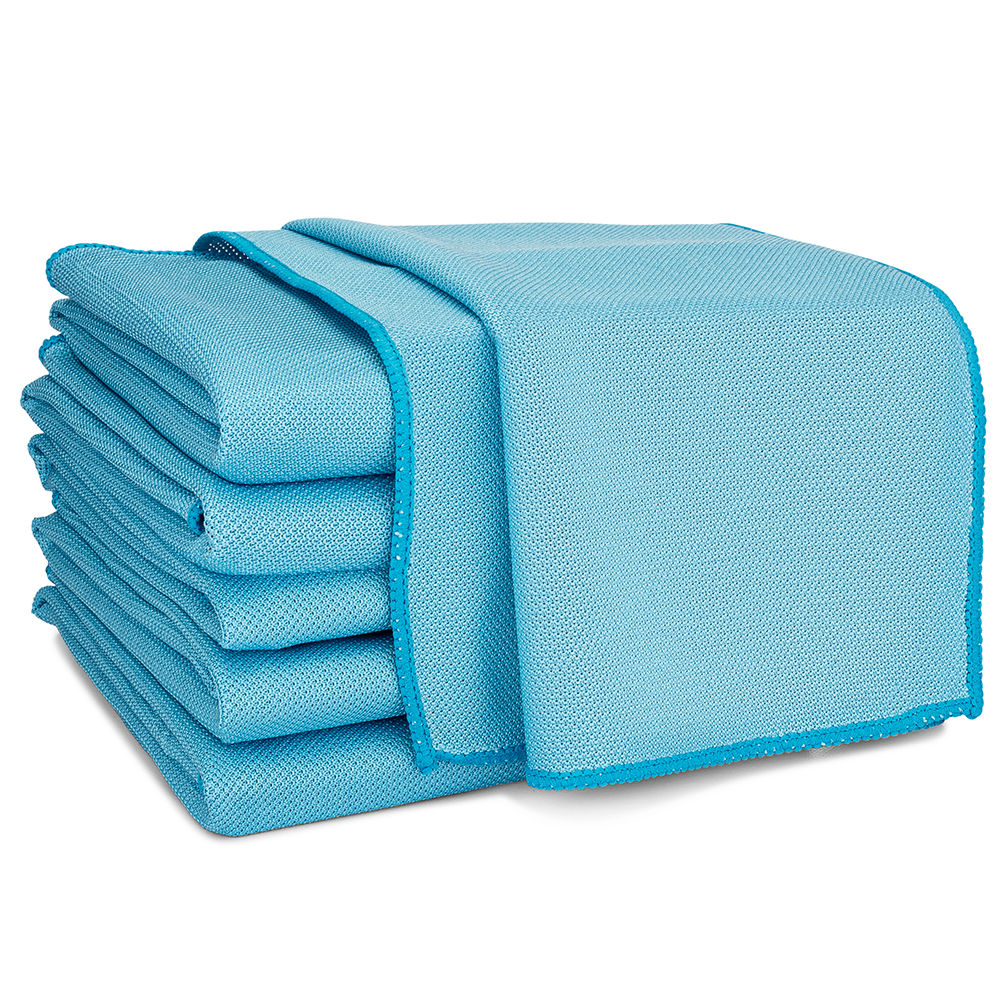
Professional cleaners typically achieve streak-free glass using a quality microfiber glass cloth, water or an appropriate glass cleaner, and sometimes a rubber squeegee for larger surfaces.
Feather Dusters
Despite their popularity, feather dusters often move dust from one surface to another rather than trapping it.
Microfiber dusters are generally more effective because their split fibers capture and hold fine dust particles until they’re washed.
How to Tell if a Cleaning Product Is Actually Worth Buying
Before adding another cleaner or gadget to your cart, ask yourself these questions:
- ✓ Will I use it regularly?
- ✓ Does it solve a problem I actually have?
- ✓ Can it clean multiple surfaces?
- ✓ Is it reusable or built to last?
- ✓ Will it save me time or money in the long run?
If the answer to most of those questions is “no,” it’s probably not a product you need.
Professional cleaners tend to build their cleaning kits around versatile tools that perform well day after day, not products that promise one specific miracle result.
Five Products I’d Buy Again Tomorrow
If I had to start over with an empty cleaning closet, these are the five products I’d buy first:
- High-quality microfiber cloths for everyday cleaning and dusting.
- A vacuum with a HEPA filter to reduce dust and allergens.
- A neutral-pH floor cleaner that’s safe for multiple hard floor surfaces.
- An extendable microfiber duster for ceiling fans, vents, and high shelves.
- A quality rubber squeegee for windows, mirrors, and shower glass.
With those five items alone, you can tackle the vast majority of household cleaning tasks without filling an entire cabinet with specialty products.
Stop Buying More. Start Buying Better
Walk down the cleaning aisle and it’s easy to feel like you need a different product for every room, surface, and stain. But professional cleaners know that great results don’t come from owning the most products, they come from choosing the right ones.
A handful of versatile, high-quality tools will outperform a cabinet full of specialty sprays and disposable gadgets. They’ll also save you money over time, reduce waste, and simplify your cleaning routine.
The next time you’re shopping, don’t ask, “What else do I need?” Instead, ask, “Will I still be using this a year from now?” If the answer is yes, it’s probably worth the investment.
Frequently Asked Questions
What cleaning products do professional cleaners actually use?
Most professional cleaners rely on a relatively small collection of versatile products rather than dozens of specialty cleaners. High-quality microfiber cloths, a HEPA vacuum, neutral-pH cleaners, scrub brushes, squeegees, and concentrated cleaning solutions handle the majority of household cleaning tasks.
Are expensive cleaning products worth it?
Not always. Some premium products are simply clever marketing, while others genuinely last longer or perform better. Rather than looking at the purchase price alone, consider the cost per use. A reusable tool that lasts for years is often a better value than a cheaper product that needs frequent replacement.
Is expensive microfiber really better?
In many cases, yes. Professional-grade microfiber is typically made with higher-quality fibers and more durable construction, allowing it to maintain its absorbency and cleaning performance through hundreds of wash cycles. While inexpensive microfiber may cost less upfront, it often wears out much sooner.
Does higher GSM mean better microfiber?
Not necessarily. GSM (grams per square meter) measures fabric density, not overall quality. A higher GSM generally means a thicker, more absorbent cloth, but fiber quality, weave, construction, and intended use all play an important role. The best microfiber cloth is the one that’s designed for the job you’re doing.
Are disposable cleaning products worth buying?
Disposable products can be useful for certain situations, such as cleaning up biohazards or preventing cross-contamination. However, for everyday household cleaning, reusable tools like microfiber cloths and washable dusters are usually more economical and generate less waste.
Do I need a different cleaner for every surface?
Usually not. Most homes can be cleaned effectively with a small number of versatile products. Using a neutral-pH cleaner for finished hard surfaces and following the manufacturer’s care instructions is often all that’s needed. Some delicate materials, like natural stone or unfinished wood, may require specialized care.
What’s the biggest waste of money in the cleaning aisle?
It depends on your needs, but many professional cleaners skip products that serve only one narrow purpose or need constant replacing. Disposable dusters, disposable glass wipes, and multiple specialty sprays are often replaced with reusable tools that work across many surfaces.
If I only buy one thing, what should it be?
If you could only upgrade one cleaning tool, make it a high-quality microfiber cloth. It’s one of the most versatile tools you can own, capable of cleaning glass, stainless steel, countertops, appliances, bathrooms, and countless other surfaces while using little or no cleaning solution.
Related Articles
- Choosing the Right Microfiber Towels: The Ultimate Buyer’s Guide
- The Most Misused Cleaning Tools in Professional Settings
- 15 Common Cleaning Mistakes You’re Probably Making
- Why Microfiber Is the Best Tool for Cleaning
- How to Wash Microfiber Towels the Right Way (Without Ruining Them)
- How Pros Clean Homes Efficiently: A Checklist for Cleaners and Homeowners
- How to Dilute Cleaning Products Correctly (and Stop Wasting Money)
- Powder vs. Paste vs. Spray Cleaners: Which Formula Cleans Best (and Why)
The products the pros won’t clean without
Our best sellers aren’t best sellers by accident. These are the microfiber towels, mops, and dusters that professional cleaning crews order again and again — the same products that cleaners at some of the largest cleaning companies in the country depend on every single shift.
When your reputation rides on every surface you touch, you don’t gamble on your tools. These are the ones that have earned their spot — wash after wash, job after job.


