


20 Things You Can Clean With Just Water (And What Never Should Be)
At a Glance
Water and quality microfiber are usually suitable for:
- Dust
- Fingerprints
- Light surface oils
- Loose dirt
- Recent spills
- Routine maintenance cleaning
You’ll usually need a cleaning product for:
What if you could clean a home with nothing more than water? It sounds too simple to work, especially when we’re surrounded by shelves full of specialized sprays, wipes, and cleaners for nearly every surface imaginable.
The truth is, water alone can be surprisingly effective for many everyday cleaning tasks, but only under the right conditions. Knowing where it works, where it doesn’t, and why can save you money, reduce the number of chemicals you use, and help you avoid damaging delicate surfaces.
The secret isn’t the water itself, it’s what you use with it.
What Makes Cleaning with Just Water Actually Work

Technically, plain water can loosen some water-soluble dirt. But water doesn’t have the same grease-cutting or disinfecting properties as a detergent, degreaser or registered disinfectant.
That means the physical wiping action matters enormously.
Paper towels are designed primarily to absorb liquid. Cotton cloths can absorb moisture too, but their larger, smoother fibers don’t always pick up small particles effectively. Both can end up moving dirt from one part of the surface to another.
Quality microfiber works differently. Its much finer fibers make greater contact with the surface and create microscopic spaces that collect dust, moisture and debris.
Laboratory studies comparing microfiber with conventional cleaning cloths have consistently found that quality microfiber removes more soil and microorganisms from hard surfaces—even when used with water alone rather than chemical cleaners.
The difference isn’t simply “cloth versus cloth,” either. Research comparing different microfiber products has found that their cleaning performance can vary considerably depending on the construction and quality of the material.
In other words, cleaning with water is not really about the water.
The microfiber is the cleaning tool. The water simply helps it work.
20 Things You Can Clean With Just Water and Microfiber
1. Windows
Routine dust, fingerprints, light pollen and everyday marks can usually be removed from windows without traditional glass cleaner.
Start with a clean microfiber cloth lightly dampened with water. Wipe the glass to loosen and collect the soil, then immediately polish it with a dry microfiber glass cloth before the remaining moisture evaporates.
This two-cloth process is important. The damp cloth does the cleaning, while the dry cloth removes moisture and any remaining residue. Trying to clean and dry the entire window with one wet cloth often creates streaks.
Distilled water can be particularly useful if your tap water contains a lot of minerals, since those minerals may remain on the glass after the water dries.
Water isn’t enough when: the window has hard water deposits, paint overspray, adhesive, heavy outdoor grime or mineral staining. Those deposits are bonded to the surface and may require a suitable glass cleaner, mineral remover, scraper or other specialty method.
READ NOW: How to Clean Windows Without Streaks (Pro Tips From a Cleaning Expert)
2. Mirrors

Mirrors are one of the easiest surfaces to clean with water and microfiber because most of the visible mess consists of dust, fingerprints, hairspray mist or toothpaste splatter.
Use a lightly dampened microfiber cloth to clean the surface, paying particular attention to the edges where product residue tends to collect. Follow immediately with a dry, tightly woven microfiber glass cloth.
Avoid spraying water directly onto the mirror. Excess moisture can run behind the glass and potentially damage the reflective backing, especially around unsealed edges.
Water isn’t enough when: the mirror is coated with heavy hairspray, makeup, grease or sticky product residue. A small amount of appropriate cleaner may be needed to break down the buildup before polishing.
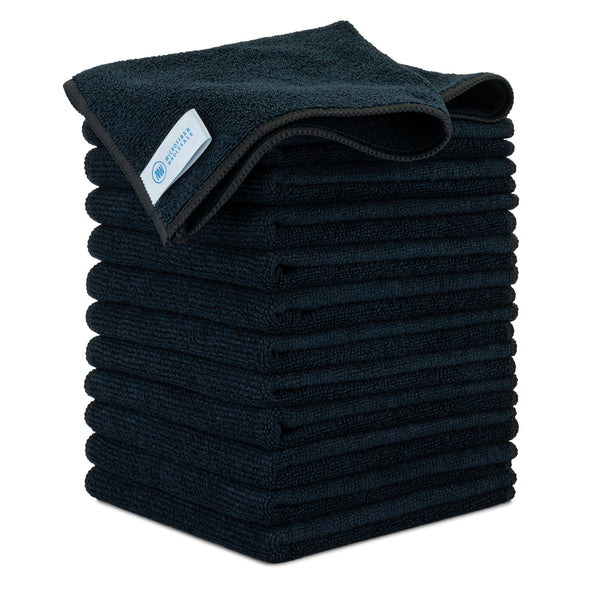

3. Stainless Steel Appliances
For routine fingerprints and dust, stainless steel appliances often need far less product than people assume.
Lightly dampen a clean microfiber cloth and wipe in the direction of the stainless steel grain. This helps prevent visible lines and makes the finish look more even. Follow with a dry cloth to remove remaining moisture.
The cloth must be completely clean. A microfiber cloth that has already picked up cooking oil can spread a thin greasy film across the appliance, making the stainless steel look worse than before.
Using water also avoids the oily coating left behind by some stainless steel polishes. Those products can make the appliance shine temporarily, but they may also attract more dust and fingerprints.
Water isn’t enough when: the appliance has grease splatter, sticky food, baked-on residue or an old layer of polish. Use a cleaner approved by the appliance manufacturer, then remove any remaining residue with clean microfiber.
4. Sealed Kitchen Countertops
Crumbs, dust, coffee rings and light everyday spills can usually be removed from sealed countertops with a damp microfiber cloth.
Microfiber is especially useful here because it collects fine crumbs and particles that a wet paper towel may simply chase around the counter. Fold the cloth into sections so you can expose a fresh cleaning surface as each side becomes dirty.
This approach works particularly well on laminate, quartz and many properly sealed stone countertops, although you should always follow the manufacturer’s care instructions.
Water isn’t enough when: the counter has grease, dried food, raw meat juices or another potentially hazardous contaminant. Those situations may require detergent followed by an appropriate sanitizing or disinfecting process.
READ NOW: Common Mistakes You’re Making When Cleaning Different Types of Countertops
5. Cabinet Doors

Cabinet doors collect fingerprints, dust and airborne cooking residue, especially around handles and near the stove.
For routine maintenance, a slightly damp microfiber cloth can remove light marks before they turn into heavy buildup. Wipe around knobs, recessed panels and the upper edges of cabinet doors, where oily dust often settles unnoticed.
Dry the cabinet afterward, particularly if it is made from painted wood, veneer or another material that may be affected by excess moisture.
Water isn’t enough when: the cabinets feel sticky or have accumulated cooking grease. Water alone won’t effectively break down oily residue, so you’ll need a mild cleaner or diluted degreasing solution approved for the finish.
6. Glass Shower Doors
If shower glass is cleaned regularly, water and microfiber may be all you need to keep it clear.
After showering, use a damp microfiber cloth to lift fresh water spots, body oils and light product residue. Follow with a dry glass cloth or use a squeegee first and polish afterward.
The key is timing. Fresh droplets and light residue are much easier to remove than deposits that have been allowed to dry repeatedly. Regular maintenance can help prevent the cloudy buildup that eventually requires stronger treatment.
Water isn’t enough when: you can see white mineral deposits, etched spots or a rough, cloudy layer. Once hard water minerals and soap scum have bonded to the glass, they usually require an acidic cleaner, mineral remover or more intensive restoration method.
READ NOW: Four Effective Ways to Clean Shower Glass
7. Chrome Faucets and Fixtures
Chrome fixtures can usually be polished beautifully with nothing more than water and clean microfiber.
Use a damp cloth to wipe away fingerprints, water spots and light toothpaste or soap residue. Then buff the fixture with a dry microfiber cloth to restore the shine.
Pay attention to the base of faucets, behind handles and around joints. These are the areas where moisture and residue tend to collect.
Water isn’t enough when: the chrome has hardened mineral buildup, rust staining or thick soap residue. Use a cleaner that is safe for the finish, and avoid abrasive pads that may permanently scratch the surface.
8. Television Screens

Most television screens do not need routine cleaning products.
Begin with a dry, clean microfiber cloth to remove dust. If fingerprints remain and the manufacturer permits moisture, lightly dampen the cloth with distilled water. The cloth should be barely damp rather than wet.
Wipe gently without pressing hard. Screen coatings can be delicate, and excessive pressure may damage the display.
Never spray liquid directly onto the screen. It can run into the frame or internal components.
Water isn’t enough—or may not be appropriate—when: the manufacturer specifies a dedicated screen-cleaning product or warns against moisture. Always check the care instructions before cleaning an expensive display.
9. Computer Monitors
Computer monitors can usually be treated in much the same way as television screens.
Turn the monitor off so fingerprints and smudges are easier to see. Remove loose dust with dry microfiber, then use a lightly dampened electronics-safe microfiber cloth if needed.
Work from the top downward using gentle, overlapping passes. Avoid scrubbing at a stubborn spot, since repeated pressure can damage anti-glare coatings.
Water isn’t enough when: the screen has sticky splatter, nicotine residue or marks that don’t lift with gentle wiping. Follow the monitor manufacturer’s instructions rather than experimenting with household cleaners.
READ NOW: 9 Common Surfaces That Require Extra Care When Cleaning
10. Phones and Tablets
Phones and tablets quickly accumulate fingerprints, skin oils and dust, but most routine smudging can be removed with microfiber.
Disconnect the device and wipe it first with a dry, clean cloth. If necessary, lightly dampen one corner of the cloth with water and use the dry portion to polish afterward.
Clean around the edges carefully without allowing moisture to enter the charging port, speakers or buttons.
Remember that removing visible fingerprints is not the same as disinfecting the device.
Water isn’t enough when: the device needs to be disinfected following illness, contamination or shared use. Consult the manufacturer’s instructions for products and concentrations that are safe for the screen coating and electronics.
11. Eyeglasses

Water and proper lens microfiber are often the safest combination for removing ordinary dust, fingerprints and skin oils from glasses.
If loose grit is present, rinse the lenses first rather than rubbing the particles across the surface. Then use a clean, soft microfiber lens cloth to dry and polish them.
The cloth matters here. A general-purpose towel that contains trapped debris, fabric softener or cleaning residue may leave smears or potentially scratch delicate lens coatings.
Water isn’t enough when: the lenses have heavy oils, cosmetics or sunscreen residue. Use a small amount of lotion-free dish soap if recommended by your optician or lens manufacturer, then rinse thoroughly and dry with suitable microfiber.
12. Sealed Hardwood Floors
Routine dust, footprints and light surface dirt can often be cleaned from sealed hardwood with a microfiber mop that is only slightly damp.
Microfiber is particularly useful because it cleans with much less water than a traditional string mop. That is important for hardwood, where excess moisture can seep between boards, cause swelling or damage the finish.
Vacuum or dry mop first to remove grit. Then clean in sections using a properly wrung-out microfiber pad, following the flooring manufacturer’s directions.
Water isn’t enough—or may be unsafe—when: the wood is unsealed, waxed, damaged or heavily soiled. Sticky spills and grease may require a wood-safe cleaning product, while standing water should always be avoided.
READ NOW: 13 Mistakes You’re Probably Making When Cleaning Floors
13. Luxury Vinyl Plank
Luxury vinyl plank is generally easy to maintain, and routine cleaning usually doesn’t require a heavily scented floor product.
Remove loose grit first, then use a damp microfiber mop to pick up fine dust, light dirt and footprints. Microfiber pads make broad contact with the floor without leaving behind large amounts of water.
Avoid repeatedly flooding the seams. Although vinyl itself is water-resistant, moisture can still work its way into joints or affect the subfloor.
Water isn’t enough when: the floor has grease, food residue, heavy soil or an existing layer of cleaning-product buildup. Use a cleaner approved by the flooring manufacturer and avoid products that leave a waxy coating.
14. Ceramic and Porcelain Tile Floors

Water and microfiber work well for the routine cleaning of ceramic and porcelain tile.
A damp microfiber mop collects dust, hair and light soil while reaching into the slight texture of the tile more effectively than a flat paper-based disposable pad.
Change or rinse the mop pad before it becomes saturated with dirt. Continuing to clean with a dirty pad can leave the floor dull and move soil into grout lines.
Water isn’t enough when: the floor has greasy kitchen soil, sticky spills, deeply discolored grout or biological contamination. Tile may be water-resistant, but the type of soil still determines whether a cleaning chemical is necessary.
15. Baseboards
Baseboards often look dull because of a thin layer of dust rather than true staining.
Start with dry microfiber to capture loose dust, especially along the top ledge. Then use a lightly dampened cloth to remove fingerprints, small scuffs and residue around corners.
Microfiber is useful for detailed areas because it can be folded around trim and pressed into grooves without dripping water down the wall.
Water isn’t enough when: the baseboards have grease, shoe polish, heavy scuffing or damaged paint. A mild cleaner may be needed, but test it first to make sure it does not remove the finish.
READ NOW: How to Clean Baseboards Without Pain
16. Ceiling Fans
Ceiling fan blades can be cleaned with dry or slightly damp microfiber, depending on how much dust has accumulated.
For light dust, a microfiber duster traps particles within its fibers rather than sending them drifting around the room. For heavier buildup, use a lightly dampened cloth and support the blade with one hand while wiping with the other.
Clean fans before floors and furniture so any dust that does fall can be collected afterward.
Water isn’t enough when: the blades have sticky, greasy dust, which is common on fans near kitchens. That residue may require a mild degreasing cleaner approved for the fan’s finish.
17. Window Blinds

Microfiber is ideal for routine blind cleaning because it can capture dust from both sides of the slats.
Close the blinds in one direction and wipe with dry or lightly dampened microfiber. Reverse the slats and repeat. For individual marks, wrap the cloth around your fingers and clean one slat at a time.
Use very little moisture on wood, fabric-covered or paper blinds.
Water isn’t enough—or may not be suitable—when: the blinds are coated with nicotine, cooking grease or moisture-sensitive material. Check the manufacturer’s care instructions before wet cleaning.
18. Interior Doors and Door Frames
Interior doors accumulate fingerprints around handles, push plates and edges, even when the rest of the door appears clean.
A damp microfiber cloth can remove most routine marks without leaving drips or paper lint behind. Wipe from the top down and dry painted or wooden surfaces afterward.
Don’t forget the upper edge of the door and the frame. Both can hold a surprising amount of dust.
Water isn’t enough when: the door has greasy handprints, crayon, adhesive or heavy grime. Use a finish-safe cleaner and test a hidden area first.
19. Painted Walls
Light fingerprints and fresh scuff marks can sometimes be removed from washable painted walls with a barely damp microfiber cloth.
Use gentle pressure and work from the outside of the mark toward the center. Avoid soaking the wall or scrubbing aggressively, especially on flat or matte paint, which can develop shiny patches.
Always test the method in an inconspicuous area first. Even water can affect some paints if the finish is old, damaged or not washable.
Water isn’t enough when: the mark contains grease, crayon, ink, smoke residue or deeply embedded dirt. A suitable wall-cleaning solution may be needed, but aggressive products can remove paint along with the stain.
READ NOW: How to Wash Painted Walls Like a Pro
20. Everyday Dust on Furniture and Hard Surfaces

For most routine dusting, you don’t need furniture spray.
A dry microfiber cloth uses its fine fibers to collect loose particles from shelves, tables, headboards, décor and other hard surfaces. For dust that has started to cling, lightly dampen the cloth so the debris remains trapped instead of becoming airborne.
Fold the cloth into quarters and rotate to a clean section as it fills with dust. Using one dirty surface throughout an entire room simply redistributes what you’ve already collected.
Water isn’t enough—or may be inappropriate—when: the furniture is unfinished wood, antique, waxed or covered with a moisture-sensitive finish. Follow the manufacturer’s or furniture maker’s recommendations.
When You Definitely Shouldn’t Clean With Just Water
Water and microfiber are excellent for removing everyday surface soil, but they are not a universal cleaning system.
Some messes are chemically different from dust and fingerprints. Others present a hygiene risk that requires more than physical removal.
Heavy Grease and Cooking Oil

Oil and water do not readily mix.
A damp microfiber cloth may pick up a small fingerprint, but it will struggle with thick cooking grease, oily residue or a greasy stovetop. Continuing to wipe can load the cloth with oil and spread a thin film over a larger area.
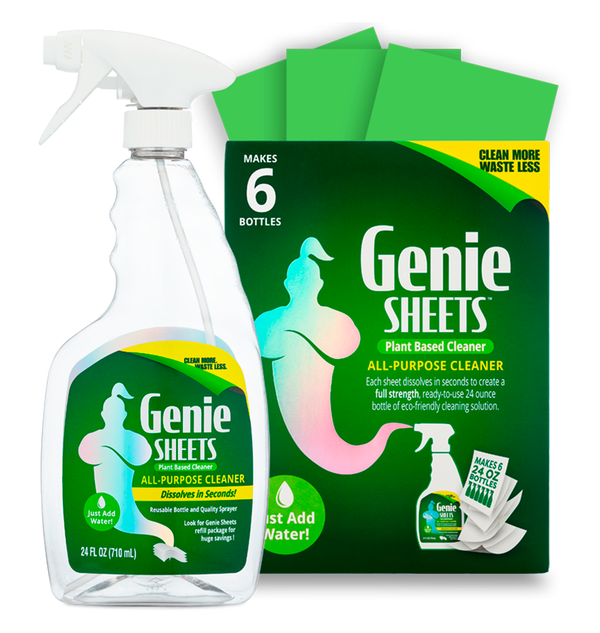
Use a suitable detergent or degreaser to break the oil into smaller droplets that can be removed. Follow with clean microfiber to collect the loosened residue.
Raw Meat and Foodborne Contamination
A countertop may look clean after being wiped with water, but appearance is not a reliable indicator that potentially harmful microorganisms have been adequately addressed.
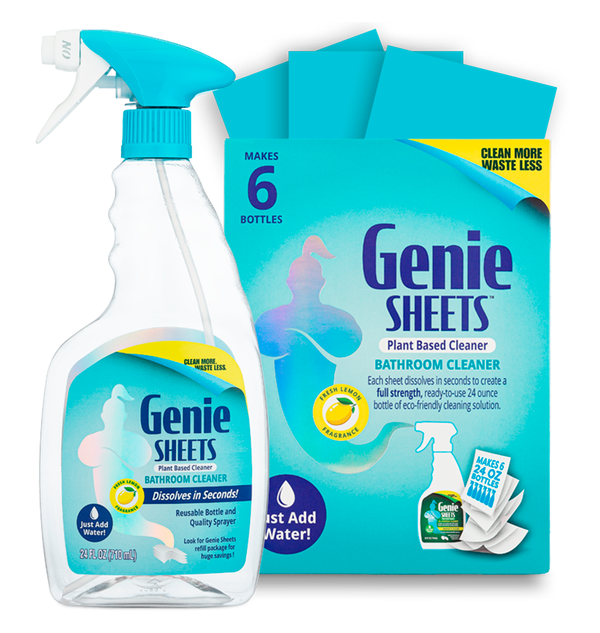
Clean the surface using an appropriate detergent, then sanitize or disinfect according to the product label and the surface manufacturer’s instructions.
The Centers for Disease Control and Prevention distinguishes between cleaning, sanitizing and disinfecting. Cleaning removes dirt and many germs from surfaces, while disinfecting uses chemicals to kill remaining germs.
Situations Requiring Disinfection
Water and microfiber can physically remove contamination, but they should not be presented as a substitute for a registered disinfectant when disinfection is genuinely required.
This includes certain situations involving illness, bodily fluids, healthcare environments or known contamination.
According to the U.S. Environmental Protection Agency, products that claim to disinfect must be EPA-registered and used according to their label directions, including the required contact time.
Always clean visible soil first. Dirt and organic material can prevent disinfectants from making full contact with the surface.
Hard Water Deposits

Hard water spots are mineral deposits, commonly containing calcium and magnesium compounds left behind after water evaporates.
Once the minerals build up, adding more water won’t remove them. You may need an acidic cleaner, dedicated mineral remover or controlled mechanical action appropriate for the surface.
Be especially careful on natural stone, metal finishes and coated glass. A product that removes minerals from one material may damage another.
Soap Scum
Soap scum is not simply dried soap.
It forms when soap residue combines with minerals, body oils and other shower soil. The resulting film can adhere strongly to tile, tubs and shower doors.
Water may remove fresh residue, but established soap scum typically requires a suitable bathroom cleaner or detergent to break it down.
READ NOW: Banish Germs and Grime from Bathrooms
Mold and Mildew
Wiping visible mold with water does not address the underlying moisture problem and can potentially spread spores or drive moisture deeper into porous materials.
Small areas on nonporous surfaces may be cleaned according to authoritative mold-remediation guidance. Larger areas, recurring growth or mold involving drywall, insulation or other porous materials may require professional assessment.
Sticky Adhesive

Price labels, tape, glue and sticker residue are rarely water-soluble.
Repeatedly scrubbing them with a damp cloth may only soften the paper layer while leaving the adhesive behind. Use an adhesive-removal method that is safe for the underlying surface.
Bodily Fluids
Blood, vomit and other bodily fluids require appropriate personal protective equipment and a cleaning and disinfection procedure suitable for the contaminant and environment.
A reusable cloth should not automatically be used for every hazardous cleanup. In some circumstances, disposable materials are more appropriate to reduce handling and cross-contamination.
Thick Food Residue
Dried sauces, sugary spills and burned-on food may soften with water, but detergent is usually needed to fully remove the fats, proteins and residue left behind.
Allowing the soil to soak briefly can reduce aggressive scrubbing, but always follow the care directions for the surface or appliance.
Pet Accidents
Water may remove the visible portion of a pet accident, but it usually won’t eliminate odor-producing organic residue.
An enzyme-based cleaner is often needed to break down the compounds responsible for lingering odor and repeat marking.
READ NOW: The Professional’s Guide to Indoor Pet Cleanups: Hair, Dander, Urine & Odors
Cleaning Is Not the Same as Disinfecting

One of the most important things to understand about cleaning with water is that visible cleanliness and disinfection are not the same goal.
Cleaning physically removes dust, dirt, debris and some microorganisms from a surface. Disinfecting uses a registered chemical product to inactivate specified microorganisms when used correctly.
The CDC defines cleaning as physically removing dirt and many germs from surfaces, while disinfecting uses chemicals to kill remaining germs. Cleaning is an important first step, but it doesn’t replace disinfection when it’s required.
For everyday household dust and fingerprints, routine cleaning may be all that is needed.
When someone is ill, a surface has been contaminated with raw meat or bodily fluids, or your cleaning protocol specifically requires disinfection, reach for the correct product and follow its label.
That includes:
- Using the correct concentration
- Applying enough product
- Keeping the surface wet for the required contact time
- Ensuring the product is suitable for the surface
- Ventilating the area if directed
- Avoiding unsafe chemical combinations
Water and microfiber are powerful cleaning tools. They simply shouldn’t be asked to perform a job they were never designed to do.
Why the Quality of the Microfiber Matters
Not all cloths sold as microfiber perform the same way.
The effectiveness of microfiber depends on factors such as:
- Fiber fineness
- Whether the fibers are properly split
- Fabric density
- Weave or knit structure
- Cloth weight
- Edge construction
- Absorbency
- How the cloth has been washed and maintained
A thin, poorly constructed cloth may technically contain microfiber but still struggle to pick up soil effectively. It may leave lint, become saturated quickly or simply push debris around.
A dense, properly constructed microfiber cloth provides more usable fiber contact with the surface. This improves its ability to collect dust, absorb moisture and hold onto loosened grime.
Studies have also shown that not all microfiber cloths perform equally. Fiber quality, construction and durability all influence how effectively a cloth removes soil and microorganisms.
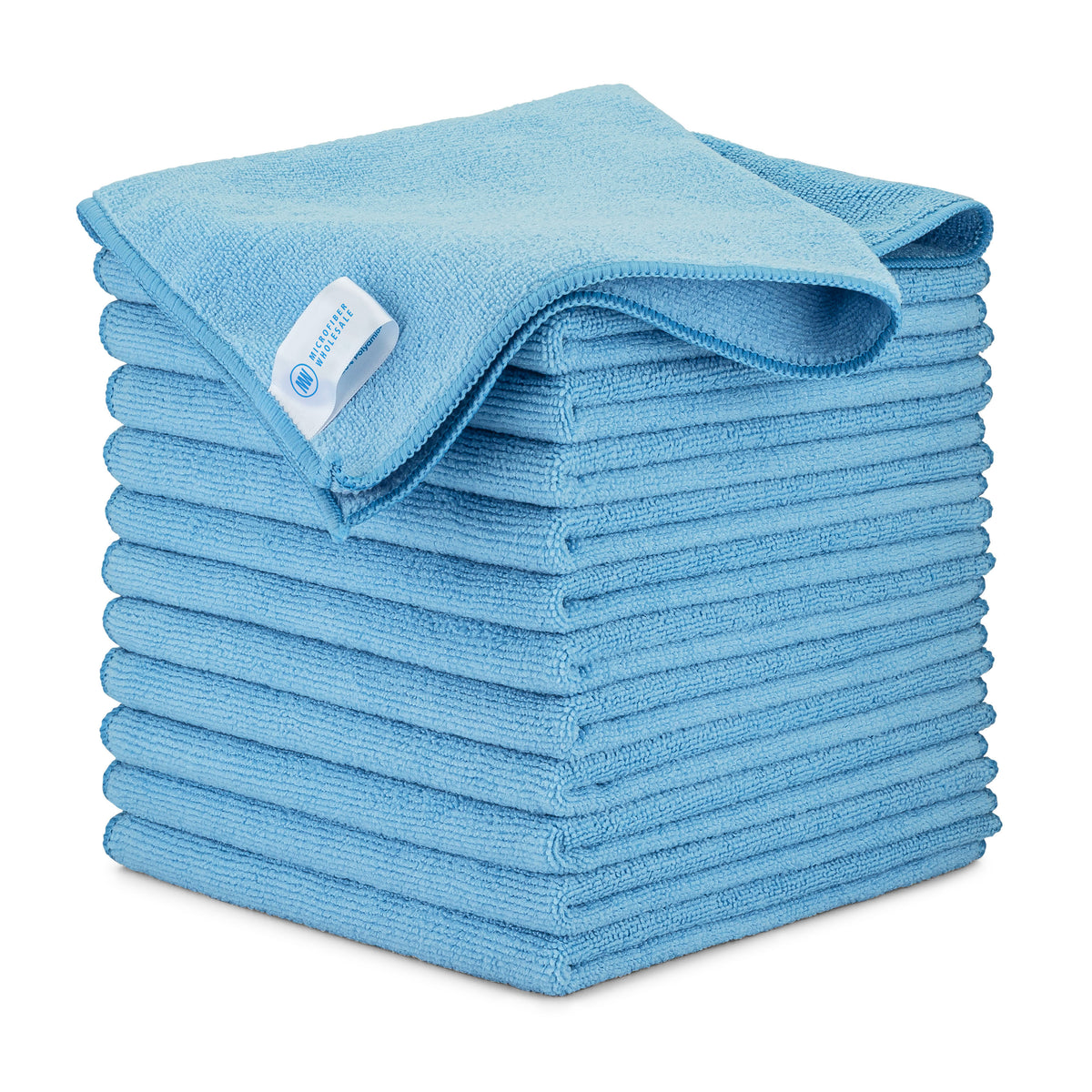
That is why someone can try cleaning glass with “microfiber” and water and still get disappointing results. The problem may not be the method. It may be the cloth.
How to Clean With Water and Microfiber Properly

Even high-quality microfiber won’t perform well if it is completely saturated, overloaded with dirt or washed incorrectly.
Start With a Clean Cloth
A cloth that already contains grease, dust or cleaning-product residue will transfer some of that contamination to the next surface.
Use separate cloths for bathrooms, kitchens, glass and general dusting to reduce cross-contamination.
Use Less Water Than You Think
For most hard-surface cleaning, the cloth should be damp—not dripping.
Too much water can create streaks, seep into joints and damage moisture-sensitive materials.
Fold the Cloth Into Sections
Fold the cloth in half and then in half again. This creates multiple usable cleaning surfaces.
When one side becomes dirty, rotate to a clean section rather than continuing to wipe with the collected soil.
Let the Fibers Do the Work
You generally do not need aggressive pressure.
Use slow, overlapping passes so the microfiber can maintain contact with the surface and collect the loosened debris.
Use a Two-Cloth Method for Shiny Surfaces

For glass, mirrors, chrome and stainless steel, clean first with a damp cloth and polish immediately with a separate dry cloth.
This helps prevent streaks and removes remaining moisture before it dries.
Launder Microfiber Correctly
Wash dirty microfiber after use so oils, soil and microorganisms aren’t carried into the next job.
Avoid fabric softener and dryer sheets. Their coatings can clog the fibers and reduce the cloth’s absorbency and cleaning ability.
Dry using low heat or according to the product’s care instructions. Excessive heat can damage synthetic fibers over time.
The Biggest Water-Only Cleaning Mistake
The biggest mistake is assuming that the water is supposed to do all the work.
Someone wets a paper towel, wipes a mirror, sees streaks and concludes that cleaning with water doesn’t work.
Or they use an old cotton rag on stainless steel and end up pushing fingerprints into a larger, duller smear.
The method fails because neither tool is designed to collect fine soil as effectively as quality microfiber.
Water helps loosen the mess. Microfiber removes it.
Once you understand that distinction, it becomes much easier to decide which cleaning tasks genuinely need a chemical product and which ones simply need a better cloth.
Frequently Asked Questions
Can you really clean surfaces using only water?
Yes, for many routine cleaning tasks. Water helps loosen light dirt while quality microfiber physically picks up and holds the particles. The method works best on hard, nonporous surfaces with light, everyday soil.
Water should not be relied on for heavy grease, mineral buildup, mold, hazardous contamination or tasks requiring disinfection.
Why doesn’t water-only cleaning work with paper towels?
Paper towels are good at absorbing liquid, but they do not have the same fine fiber structure as quality microfiber.
They may leave lint, tear when wet or spread oils and residue across smooth surfaces. Microfiber provides much greater contact with the surface and is better able to collect loosened soil.
Is microfiber antibacterial?
Standard microfiber should not automatically be described as antibacterial.
It can physically remove bacteria and other contamination from a surface, but it does not necessarily kill what it collects. The cloth still needs to be laundered correctly after use.
Does microfiber remove germs?
Microfiber can remove some microorganisms through physical wiping. However, the amount removed depends on the cloth, the surface, the wiping method, the level of contamination and whether a cleaning or disinfecting product is used.
Removing some germs is not the same as disinfecting a surface.
Can I clean glass with just water?
Yes. For routine fingerprints, dust and light soil, use a damp microfiber cleaning cloth followed immediately by a dry microfiber glass cloth.
Hard water deposits, adhesive, paint and other bonded residue will require a different method.
Can I clean my entire home with water and microfiber?
You can complete a large amount of routine maintenance cleaning with water and microfiber, including dusting, glass cleaning and wiping lightly soiled hard surfaces.
You’ll still need appropriate products for toilets, heavy kitchen grease, mineral deposits, soap scum, mold, pet accidents and situations that require sanitizing or disinfecting.
Does hot water clean better than cold water?
Not always.
Hot water may help soften certain greasy or sticky soils, but room-temperature or cool water works perfectly well for many routine microfiber cleaning tasks. Hot water may also be unsafe for electronics, delicate finishes and certain flooring materials.
Should microfiber be wet or damp?
For most hard surfaces, microfiber should be lightly damp.
A saturated cloth is more likely to leave streaks, drip into gaps and overwhelm the fibers with water. Dry microfiber is often best for loose dust, while damp microfiber works well for fingerprints and stuck-on surface soil.
What is the best microfiber cloth for cleaning with water?
The best cloth depends on the surface.
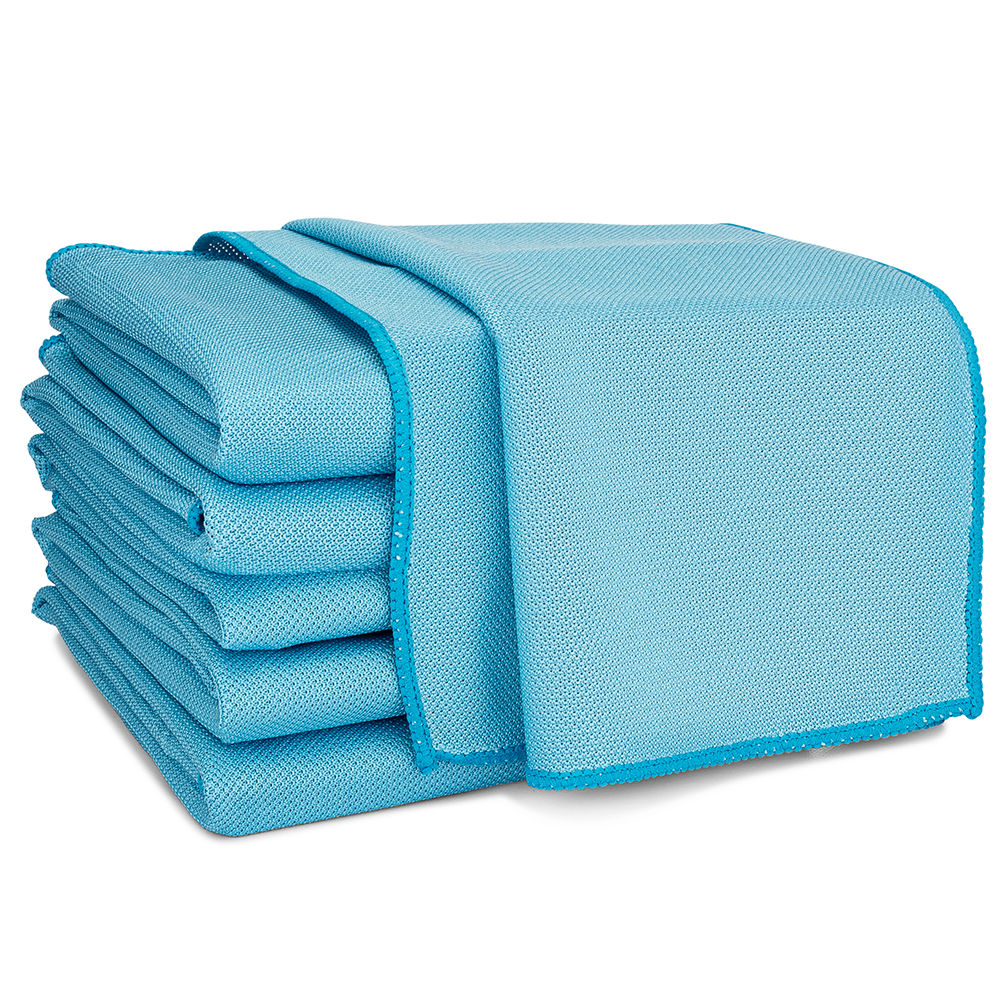
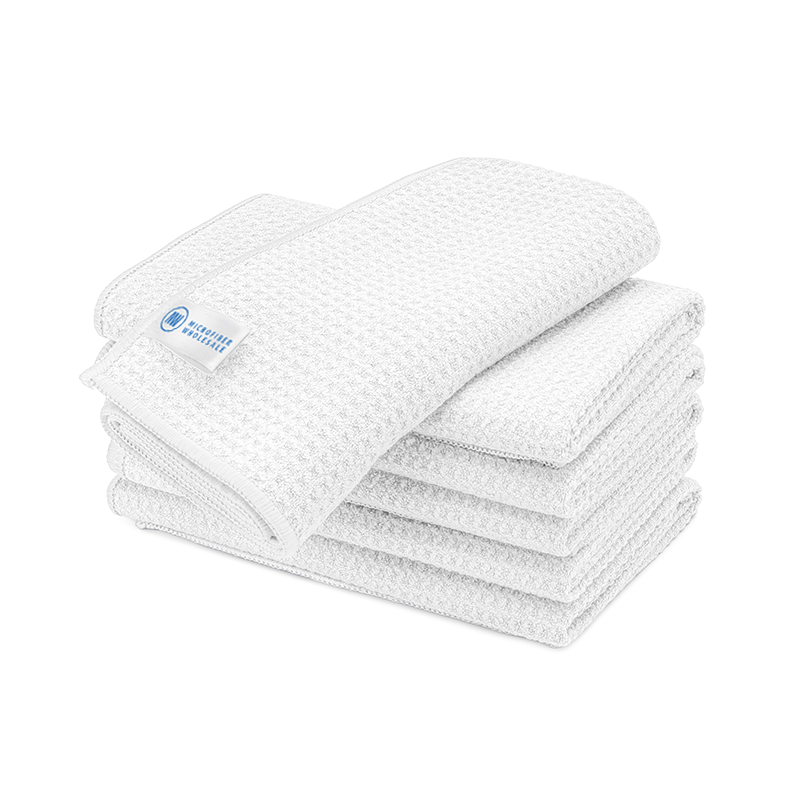
Use a general-purpose terry microfiber cloth for counters, cabinets and routine wiping. Use a low-pile or tightly woven glass cloth for windows, mirrors and polished surfaces. Use a purpose-made lens cloth for glasses and delicate screens.
Whatever the type, the cloth should be clean, well-constructed and free from fabric softener, dryer-sheet residue and trapped abrasive debris.
When should I use a disinfectant instead?
Use a suitable disinfectant when the circumstances or cleaning protocol require microorganisms to be killed rather than simply removed.
Examples can include certain illness-related cleanups, bodily fluids, raw food contamination, healthcare settings and other high-risk situations. Clean visible soil first, then follow the disinfectant label exactly.
Know When Water Is Enough… and When It Isn’t

You probably don’t need a separate bottle of cleaner for every surface in your home or cleaning route.
For everyday dust, fingerprints, loose debris and light surface soil, a clean, high-quality microfiber cloth dampened with water may be the most efficient tool you can use.
It reduces product residue, cuts down on unnecessary chemicals and can simplify routine cleaning considerably.
But water has clear limitations.
It won’t cut through heavy grease, dissolve established mineral buildup, remove every sticky residue or replace proper sanitizing and disinfection.
The real goal isn’t to eliminate cleaning products entirely.
It’s to stop using them where they aren’t doing anything useful.
When you pair water with the right microfiber—and know when to bring in something stronger—you can clean more effectively with fewer products and far less guesswork.
The products the pros won’t clean without
Our best sellers aren’t best sellers by accident. These are the microfiber towels, mops, and dusters that professional cleaning crews order again and again — the same products that cleaners at some of the largest cleaning companies in the country depend on every single shift.
When your reputation rides on every surface you touch, you don’t gamble on your tools. These are the ones that have earned their spot — wash after wash, job after job.


