


Summer Cleaning Checklist: 6 Places Cleaning Pros Never Skip
When the weather turns hot and humid, your home faces a different set of cleaning challenges. More time spent outdoors, higher pollen counts, extra foot traffic, and moisture in the air all contribute to dirt, odors, and grime building up faster than usual.
Professional cleaners don’t necessarily clean more during the summer, they simply clean differently. They know which areas need extra attention this time of year and use a few simple techniques to stay ahead of problems before they become harder to tackle.
Here are six places cleaning pros focus on during the summer months, and the insider tips you can use at home.
At a Glance
Summer brings unique cleaning challenges, from extra dust and pollen to sticky spills, higher humidity, and increased foot traffic. In this guide, you’ll learn the six areas professional cleaners prioritize during the warmer months and the simple techniques they use to keep homes cleaner for longer.
- Trash Cans & Recycling Bins: Stop odors before they start by removing the residue most people never see.
- Entryway Rugs & Hard Floors: Prevent sand, pollen, and grit from being tracked throughout your home.
- HVAC Vents & Ceiling Fans: Reduce circulating dust and improve indoor air quality during peak AC season.
- Refrigerator Door Seals & Water Dispensers: Keep one of your home’s hardest-working appliances cleaner and more efficient.
- Shower Grout & Drains: Stay ahead of mildew, soap scum, and common drain odors with a few professional techniques.
- Outdoor Furniture & Entryways: Prevent pollen, dirt, and debris from making their way back inside.
1. Trash Cans & Recycling Bins

The Summer Problem
Heat speeds up the breakdown of food waste, which means trash cans can start smelling much sooner than they do during cooler months. Even when you always use a trash bag, small leaks, sticky residue, and food particles eventually collect on the bottom and sides of the bin.
Besides creating unpleasant odors, that organic residue can also attract fruit flies and other pests.
The Pro Trade Secret
Professional cleaners know that replacing the bag isn’t enough, so they clean the can itself.
Once a week, rinse the inside of your kitchen trash can with warm water and a small amount of dish soap or an all-purpose cleaner. If stubborn residue has built up, let the cleaner sit for a few minutes before scrubbing with a long-handled brush.
Dry the bin before replacing the liner to help prevent odors and mildew.
For outdoor garbage bins, a garden hose and mild detergent are usually enough for routine cleaning. If odors persist, an enzyme-based cleaner can help break down lingering organic residue rather than simply masking the smell.
Pro Tip: Sprinkle a small amount of baking soda in the bottom of a completely dry trash can before inserting a new liner. Baking soda helps absorb odors between cleanings.
Why it matters: Removing food residue eliminates the source of many odors instead of simply covering them up.
READ NOW: How to Deep Clean & Deodorize Garbage Disposals and Trash Cans
2. Entryway Rugs & Hard Floor Transitions
The Summer Problem
Summer foot traffic brings a different kind of dirt into your home.
Instead of mud and moisture, you’re more likely to track in pollen, dry dust, sand, grass clippings, mulch, sunscreen residue, and tiny bits of asphalt from hot driveways.
Much of this grit settles into entryway rugs before gradually being carried throughout the house.
The Pro Trade Secret
One trick many professional cleaners use is to vacuum both sides of removable entry mats.
Start by vacuuming the underside of the rug before flipping it back over and vacuuming the top. The vibration helps loosen trapped sand and grit that would otherwise stay buried deep in the fibers.
Then vacuum or sweep the floor underneath before putting the rug back in place.
Hard floors just inside the entrance also benefit from more frequent damp mopping during the summer, especially if your family spends a lot of time outdoors.
Why it matters: Sand and grit are abrasive. Every step across your floor acts like fine sandpaper, gradually dulling hardwood, laminate, and luxury vinyl flooring.
Research Spotlight
The American Cleaning Institute recommends frequent removal of dry soil before it becomes embedded in flooring or carpet, helping reduce wear over time.
3. HVAC Vents, Return Grilles & Ceiling Fans

The Summer Problem
Your air conditioner works hardest during the summer, pulling large volumes of air through your home’s return vents every day.
Along with that air comes pollen, dust, pet hair, and other airborne particles, which gradually collect on vents, ceiling fan blades, and nearby surfaces.
If you’ve ever noticed gray dust building up around an air vent, you’re not alone.
The Pro Trade Secret
Before dusting a ceiling fan, slide an old pillowcase over each blade and slowly pull it back toward you.
Instead of sending dust flying across the room, the pillowcase traps it inside.
Next, wipe vents, return grilles, and fan blades with a slightly damp microfiber cloth to remove any remaining dust.
If your vent covers are especially dirty, remove them occasionally and wash them with warm soapy water before reinstalling.
Why it matters: Removing dust from vents and ceiling fans helps reduce the amount that’s continuously circulated throughout your home.
Research Spotlight
The U.S. Environmental Protection Agency (EPA) notes that controlling indoor dust and airborne particles is an important part of maintaining healthy indoor air quality, particularly during seasons when HVAC systems run continuously.
4. Refrigerator Door Seals, Water Dispensers & Ice Makers
The Summer Problem
Think about how often your refrigerator gets opened during the summer. Between grabbing cold drinks, making sandwiches for the kids, and reaching for popsicles, your fridge works overtime.
That extra use means sticky fingerprints, drink spills, and food residue build up much faster—especially around the handles, water dispenser, ice maker, and rubber door seals.
The door gasket is one of the most overlooked parts of the refrigerator, but it’s also one of the most important. When crumbs, mold, or sticky residue build up inside the folds, the seal can’t close as tightly, allowing cold air to escape and forcing the refrigerator to work harder.
The Pro Trade Secret
Once a month, wipe down the entire exterior of your refrigerator, paying special attention to the handle and water dispenser.
Then inspect the rubber door gasket. Open the door and gently pull back the folds of the seal—you’ll often find crumbs, sticky residue, or even small spots of mold hiding inside.
Use a soft toothbrush dipped in warm water with a few drops of dish soap to gently clean the folds before wiping everything dry with a microfiber cloth.
Why it matters: Keeping the gasket clean helps maintain a tight seal, improving energy efficiency and extending the life of your refrigerator.
Pro Tip: While you’re at it, vacuum the dust from underneath and behind the refrigerator. Dust-covered condenser coils make the appliance work harder, especially during the hottest months of the year.
READ NOW: How to Clean & Organize Your Refrigerator Like a Pro
5. Shower Grout, Bathroom Tile & Drains
The Summer Problem
Warm temperatures and higher humidity make bathrooms one of the dampest rooms in the house. Even if you run the exhaust fan, moisture lingers on tile, grout, shower doors, and inside drains much longer than it does during cooler months.
That combination of moisture and soap residue creates the perfect environment for mildew, biofilm, and unpleasant drain odors.
The Pro Trade Secret
Instead of waiting until your grout looks dirty, clean it before mildew has a chance to establish itself.
For routine maintenance on ceramic or porcelain tile, spray grout with 3% hydrogen peroxide, allow it to sit for several minutes, then gently scrub with a soft grout brush. If soap scum is also present, adding a few drops of dish soap can help loosen body oils before rinsing thoroughly.
Unlike harsh abrasive cleaners, this approach is effective for regular maintenance without excessive scrubbing.
Important: Avoid using hydrogen peroxide or any acidic cleaner on natural stone unless the manufacturer recommends it.
Cleaning Myth: Baking Soda + Vinegar Is the Best Way to Clean Drains
You’ve probably seen the viral videos.
Pour baking soda down the drain, add vinegar, enjoy the dramatic fizz, and supposedly your drain is clean.
The reality is less exciting.
When baking soda (a base) and vinegar (an acid) are combined, they mostly neutralize one another, producing carbon dioxide gas, water, and a salt called sodium acetate. While the bubbling looks impressive, it doesn’t do much to remove grease or break down the biofilm that causes odors.
For kitchen drains, a more effective maintenance routine is:
- Add a small squirt of grease-cutting dish soap.
- Flush with plenty of very hot (not boiling for PVC if manufacturer advises otherwise) water.
- Sprinkle baking soda afterward if you simply want to help neutralize odors.
For bathroom drains, physically removing trapped hair remains the most effective way to prevent slow drains and odors.
Why it matters: Most drain odors come from organic buildup clinging to the inside of pipes—not from standing water itself.
6. Outdoor Furniture, Door Handles & Entryways

The Summer Problem
Summer living doesn’t stop at the back door.
Patio furniture, outdoor dining tables, railings, door handles, and entryways collect a surprising amount of pollen, dust, sunscreen, bird droppings, insect debris, and food residue throughout the season.
Every time someone walks back inside, much of that dirt comes with them.
The Pro Trade Secret
Professional cleaners often start outside before they ever clean inside.
Giving outdoor furniture, railings, and entry doors a quick wipe-down each week helps prevent dirt from being tracked throughout the house.
Don’t forget to clean:
- Front and back door handles
- Patio tables
- Outdoor chair arms
- Railings
- Door frames
- Glass around entry doors
A damp microfiber cloth is usually all that’s needed for light dust, pollen, and fingerprints. Heavier soils may require a mild all-purpose cleaner that’s appropriate for the surface.
Bonus Pro Tip: Keep a Dedicated Outdoor Cloth
One of the easiest ways to avoid cross-contamination is to keep one microfiber cloth specifically for outdoor jobs.
Use it for patio furniture, exterior door frames, mailboxes, outdoor light fixtures, and garden furniture—then wash it separately from the cloths you use inside your home.
READ NOW: Summer Outdoor Cleaning and Maintenance
Clean Smarter This Summer
Summer doesn’t necessarily mean cleaning more, it means cleaning smarter.
Professional cleaners don’t overhaul their entire routine when the weather warms up. Instead, they shift their attention to the places that experience the biggest seasonal changes, like trash cans, entryways, HVAC vents, bathrooms, and outdoor living spaces.
By giving these high-impact areas a little extra attention, you can stay ahead of odors, dust, mildew, and grime before they become bigger cleaning projects. It’s a simple shift in focus that can help your home feel cleaner all summer long.
Frequently Asked Questions
Why does my home get dirtier in the summer?
Summer brings higher pollen levels, more outdoor activity, increased foot traffic, humidity, and more time spent at home. Together, these factors cause dust, dirt, and moisture to build up faster than they do during cooler months.
What should I clean more often during the summer?
Focus on areas affected by heat, humidity, and increased use, including trash cans, entryway rugs, HVAC vents, refrigerator handles, bathroom grout, shower drains, patio furniture, and exterior door handles.
How often should I clean my trash can?
Indoor kitchen trash cans should be cleaned about once a week during the summer, while outdoor bins may benefit from regular rinsing and occasional deep cleaning, especially if odors develop.
Should I clean my air vents during the summer?
Yes. Air conditioners run much more frequently during hot weather, allowing return vents and registers to collect dust, pollen, and pet hair more quickly.
Does baking soda and vinegar actually clean drains?
The bubbling reaction looks satisfying, but the two ingredients largely neutralize each other. For greasy kitchen drains, hot water, dish soap, and regular physical maintenance are generally more effective.
What’s the best way to prevent mildew in the shower during summer?
Reduce moisture by using an exhaust fan, leaving the shower door or curtain open after use, and cleaning grout regularly before visible mildew develops.
What’s the best cloth for summer cleaning?
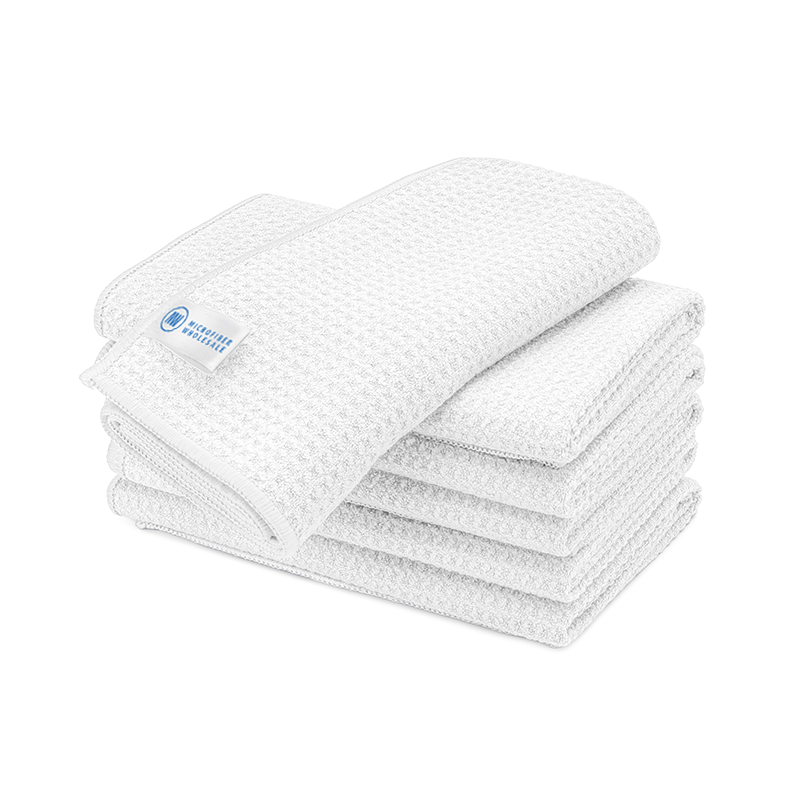
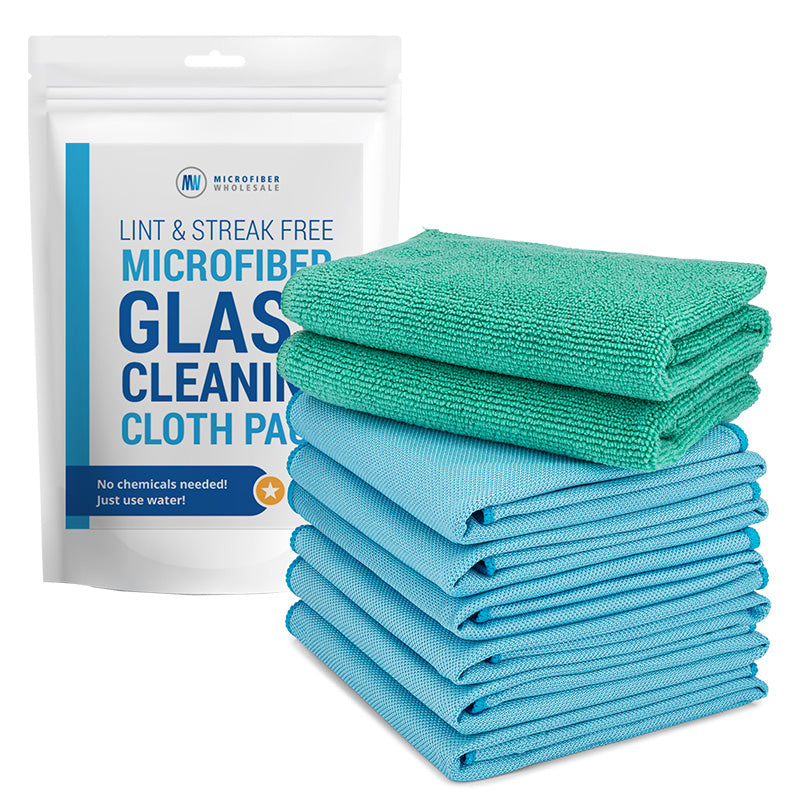
High-quality microfiber cloths are excellent for removing pollen, dust, fingerprints, and everyday dirt from most household surfaces while reducing the need for disposable paper towels or excessive cleaning chemicals.
The products the pros won’t clean without
Our best sellers aren’t best sellers by accident. These are the microfiber towels, mops, and dusters that professional cleaning crews order again and again — the same products that cleaners at some of the largest cleaning companies in the country depend on every single shift.
When your reputation rides on every surface you touch, you don’t gamble on your tools. These are the ones that have earned their spot — wash after wash, job after job.


