Skip to content
Your Cart
Add More. Save More. Ship Free.

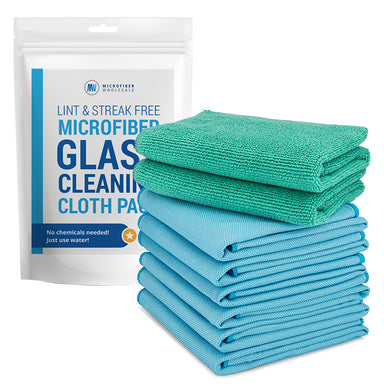
Microfiber Glass Cleaning Pack

$16.98

5x7 Microfiber Lens & Glass Cleaning Cloth - 2 Pack With Case

$7.98
Select Color: Paisley

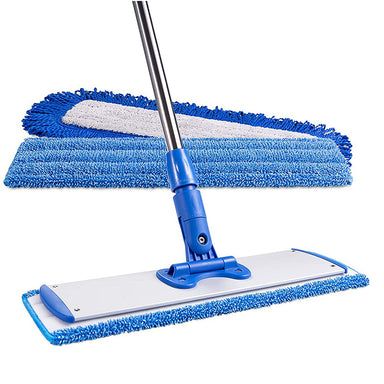
10" Microfiber Scrubber Mop

$13.98
Toilet in a bathroom with cleaning instructions overlayed.

How to Deep Clean a Toilet and Surrounding Areas (Expert Guide)

Most people think cleaning a toilet starts and ends with the bowl. But professional cleaners know better.

A truly clean toilet means tackling every surface, from hidden crevices to high-touch points that collect bacteria, dust, and buildup over time.

Whether you're maintaining a client’s home or leveling up your own cleaning routine, this step-by-step guide breaks down how to clean a toilet completely, efficiently, and hygienically, without cutting corners.

Let's dive in!

Cleaning supplies including sprays, cloths, and a mop on a bathroom floor.

Tools & Products You’ll Need for a Complete Toilet Clean

Before diving in, having the right tools makes all the difference, not just for efficiency, but for hygiene. Cleaning a toilet involves both visible soil and high-risk contamination, so your tools should be designed to remove, not just spread, grime.

Essential Cleaning Tools

Toilet Brush (Firm-Bristled)

  • Your primary tool for cleaning inside the bowl

  • Look for stiff, durable bristles that can reach under the rim and into siphon jets

  • A ventilated holder helps prevent bacterial buildup between uses

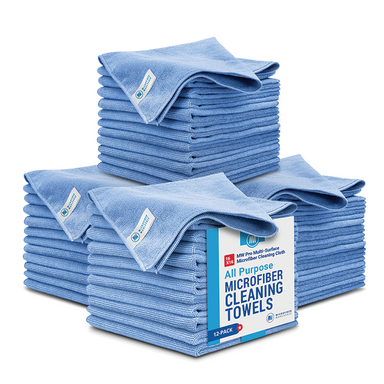
Microfiber Cloths (Reusable)

  • Choose heavier GSM microfiber for best results
  • Ideal for cleaning lower-risk exterior areas like the tank and surrounding surfaces

  • Trap and lift dirt, dust, and bacteria more effectively than traditional cloths

  • Can be folded to create multiple clean sides while working

Disposable Microfiber Cloths

  • Non-woven microfiber or terry cloth microfiber styles are best
  • Designed to grab and remove contaminants, unlike paper towels, which tend to push soil around

  • Reduce cross-contamination since they’re discarded after use

Detailing Tools (Optional but Recommended)

  • Small brushes or crevice tools for hinges, bolts, and tight gaps

  • Small microfiber flat mop to clean floor and wall behind and around the toilet

Cleaning Solutions (Use the Right Chemistry)

Using the correct cleaner is just as important as the tool itself. Different types of buildup require different formulations:

Acid-Based Cleaners

  • Best for mineral deposits like limescale and rust

  • Break down hard water buildup inside the bowl and tank

  • Common ingredients: hydrochloric acid, sulfamic acid

Enzyme-Based Cleaners

  • Target organic matter and odor-causing bacteria

  • Ideal for floors and areas where lingering smells are an issue

  • Continue working after application to break down residues

Disinfectants

  • Used on high-touch surfaces (seat, handle, exterior)

  • Kill bacteria and viruses when used with proper dwell time

  • Important for sanitation, not just visual cleanliness

pH-Neutral Cleaners

  • Safe for finished surfaces like floors, walls, and the tank exterior

  • Good for routine maintenance without damaging materials

What to Avoid

  • Paper towels for heavy cleaning: They don’t effectively trap debris or bacteria

  • One-cloth cleaning: Always switch or rotate cloths to prevent cross-contamination

  • Using the same product everywhere: Matching the cleaner to the soil type is key

What About Pumice Stones?

Pumice stones are sometimes used to remove stubborn mineral rings in toilet bowls, but they should be treated as a last-resort tool, not part of your regular cleaning routine.

While pumice is softer than porcelain, it can still cause micro-scratches, especially with repeated use or too much pressure. Over time, those scratches can make the surface more prone to staining and harder to keep clean.

In most cases, the right cleaner (like an acid-based formula) combined with proper dwell time will remove buildup without damaging the bowl.

If you choose to use a pumice stone:

  • Only use on porcelain bowls (never plastic or coated surfaces)

  • Keep both the stone and surface fully wet at all times

  • Use light pressure and let the tool do the work

  • Test in a small, inconspicuous area first

Avoid using pumice stones:

  • On newer or coated toilets

  • For light or routine cleaning

  • On colored bowls where scratching may be visible

Pumic stones are effective in specific situations, but for long-term maintenance, proper cleaning chemistry is the safer, more professional approach.


A top view of a toilet bowl with swirling water.

1. Inside the Bowl: Target the Stains at the Source

The bowl is where most people focus when cleaning a toilet, for obvious reasons. But it isn’t always a straightforward process, as different stains require different approaches.

What to use:

  • Acid-based toilet bowl cleaners for mineral buildup (like limescale and rust)

  • Enzyme or oxygen-based cleaners for organic stains

  • Toilet brush

If you're not sure what you're dealing with, refer to this guide on identifying and treating toilet stains.

Pro tips:

  • Apply cleaner under the rim first as this is where buildup hides

  • Let dwell for 5–10 minutes before scrubbing

  • Scrub thoroughly, including the siphon jets

  • Flush while brushing to rinse the brush clean

Avoid:

  • Mixing cleaners (especially acids + bleach)

  • Scrubbing too aggressively on porcelain as it can cause micro-scratches that trap stains

2. Around the Outside of the Bowl: The Most Overlooked Area

This is where even experienced cleaners sometimes rush, and it’s also one of the highest-risk zones for bacteria buildup.

What to use:

  • Disinfectant cleaner

  • Disposable microfiber cloths

Unlike paper towels, disposable microfiber is designed to actually clean, not just wipe. It traps and removes contaminants more effectively, especially on uneven or textured surfaces around the toilet base and hinges.

Focus areas:

  • The base of the toilet (especially where it meets the floor)

  • Behind the bowl (tight, hard-to-reach areas)

  • Around bolt caps and seams

Pro tips:

  • Use a fresh cloth for this area, don’t cross-contaminate

  • Fold your cloth to create multiple clean sides as you work

  • Work from cleanest to dirtiest areas

Avoid:

  • Using the same cloth on multiple bathroom surfaces

  • Relying on paper towels as they tend to push soil around rather than remove it

Close-up of a toilet seat hinge and cover.

3. The Toilet Seat: Remove It for a True Deep Clean

If you’re not removing the seat periodically, you’re missing a major source of hidden buildup.

Types of Toilet Seat Attachments (How They’re Installed)

Top-Fix (Top-Mount) Fittings

  • Installed from above using expanding plugs or anchors

  • Designed for modern toilets where you can’t access underneath

  • Common on skirted or one-piece toilets

Bottom-Fix Fittings (Standard Bolts)

  • Traditional design with bolts that go through the bowl and tighten underneath

  • Requires access to the underside of the toilet

  • Still widely used in many homes

Blind Fixing Systems

  • A variation of top-fix designed for toilets with no underside access at all

  • Uses specialized anchors to secure the seat from above

  • Often found in modern or designer toilets

Features That Affect Cleaning

Quick-Release Seats

  • Button or latch allows the seat to fully detach from the hinges

  • Makes deep cleaning significantly easier

  • Increasingly common in newer models

Adjustable Hinges

  • Allow front/back positioning to fit different toilet shapes

  • Typically hidden under hinge covers

Stabilizing Fixings (e.g., “Stay-Tight” Systems)

  • Designed to prevent loosening over time

  • Helpful for high-use bathrooms

Soft-Close Hinges

  • Prevent slamming

  • Usually include hinge covers that need to be opened for cleaning

How to clean:

  1. Remove the seat (if possible)

  2. Clean all surfaces with a damp microfiber towel or disposable cloth

  3. Follow with a disinfectant (allowing for dwell time)

  4. Pay special attention to hinge areas as they trap grime and moisture

  5. Dry thoroughly before reinstalling

What to use:

  • Disinfectant cleaner

  • Microfiber towel or disposable microfiber cloths

  • Small detailing brush for hinges

Pro tips:

  • Removing the seat makes cleaning faster and more thorough

  • If you can’t remove it, use a thin cloth or detailing tool to get into tight gaps

Avoid:

  • Oversaturating hinges as this can lead to rust or degradation over time

A close-up of a toilet tank with a chrome lever.

4. Tank Exterior: Don’t Skip the Handle

The outside of the tank is easy to forget, but it’s one of the most frequently touched surfaces in the bathroom.

What to clean:

  • Tank lid

  • Front and sides

  • Flush lever (high-touch zone)

What to use:

  • Disinfectant cleaner

  • Microfiber cloth

Pro tips:

  • Clean the handle last to avoid re-contaminating your cloth

  • Use light pressure as most buildup here is from hands, not heavy soil

Avoid:

  • Ignoring the flush lever as it’s often one of the dirtiest spots in the room

5. Tank Interior: When (and Why) It Needs Cleaning

Most routine cleanings don’t include the inside of the tank, but there are times when it’s necessary.

Signs it needs cleaning:

  • Visible buildup or sediment

  • Musty or mineral odors

  • Discoloration inside the tank

  • Frequent toilet bowl staining (caused by tank water)

Common causes:

  • Hard water mineral deposits (calcium, lime)

  • Iron or rust buildup

  • Bacterial growth in stagnant water

How to clean:

  1. Turn off the water supply

  2. Flush to empty the tank

  3. Use a non-corrosive cleaner (avoid harsh chemicals that damage components)

  4. Gently scrub interior surfaces if needed

  5. Turn water back on and flush to rinse

Pro tips:

  • Avoid bleach tablets as they can degrade rubber seals over time

  • Regular maintenance prevents downstream staining in the bowl

Avoid:

  • Using abrasive tools or harsh acids inside the tank

Close-up of a white toilet with plumbing connections visible.

6. The Wall Around the Toilet: Dust + Aerosolized Contaminants

Walls near toilets often collect more than just dust. They may also be exposed to fine droplets that settle over time leading to odor and buildup.

What to use:

  • Mild all-purpose cleaner

  • Disinfectant

  • Microfiber cloth or small flat mop for vertical surfaces

Focus areas:

  • Lower wall sections near the toilet

  • Baseboards

  • Behind the toilet

Pro tips:

  • Wipe in a top-to-bottom motion

  • Use a dedicated cloth for this zone

  • Don’t forget textured walls as they trap more particles

Avoid:

  • Dry dusting alone as it won’t remove residues effectively

7. The Floor Around the Toilet: Eliminating Odors at the Source

Have you ever cleaned the toilet only to find that there’s a persistent smell still lingering? Those odors are often coming from the floor, not the bowl.

Common causes:

  • Residue buildup around the base

  • Absorption into grout, vinyl seams, or laminate edges

  • Incomplete cleaning over time

What to use:

  • Enzyme-based cleaner for odor elimination

  • pH-neutral floor cleaner for regular maintenance

  • Microfiber mop or disposable microfiber for detail work

Pro tips:

  • Focus on the area around the base and seams

  • Allow dwell time for enzyme cleaners to break down odor-causing residues

  • Use minimal moisture on laminate/vinyl to prevent damage

On Shaving Foam

Some recommend shaving foam for odor removal, but it can leave behind residue that may attract more dirt over time. Professional-grade cleaning products are a more reliable, residue-free solution.

Preventative tips:

  • Clean frequently to avoid buildup

  • Use mats that are easy to wash (or skip them altogether)

  • Ensure proper ventilation

Avoid:

  • Over-wetting floors as this can worsen odors and damage materials

What a Truly Clean Toilet Should Feel Like

A completely cleaned toilet isn’t just about appearance, it’s about eliminating hidden buildup, reducing odor sources, and maintaining a hygienic environment from top to bottom.

When you clean beyond the bowl, targeting high-touch surfaces, overlooked crevices, and surrounding areas, you’re not just cleaning… you’re preventing problems before they start.

For professionals, this level of detail sets you apart. For homeowners, it’s the difference between “looks clean” and actually clean.


Check Out Our Best Sellers

Discover why cleaning professionals and businesses across the U.S. trust our best-selling microfiber. From janitorial teams and residential cleaners to hospitals, schools, and facilities, our cloths and mops are known for their durability, streak-free results, and serious dirt-grabbing power.

Stock up on the proven favorites that help crews clean faster, use less chemicals, and deliver that “wow, this place is spotless” finish every time.

Deep Clean Hard Floors, Effortlessly.


  • Featured Articles

    Toilet Cleaning Hacks to Avoid (What Actually Works Instead)
    When to Clean and When to Replace Shower Caulk
    What Steam Cleaners Can Clean and What They Shouldn’t Touch